Eat Your Way to Abs: The Macro-Matching Rule of 70% Diet and 30% Training
Many people sweat bullets in the gym every day and perform hundreds of crunches, yet their six-pack remains hidden. There is a famous saying in fitness: "Abs are made in the kitchen." No matter how developed your abdominal muscles are, they will never see the light of day if they are buried under a thick layer of body fat. To sculpt defined abs, lowering your body fat percentage is key, and the core of this process lies in the precise balance of macronutrients (carbohydrates, protein, and fat).
1. Redefining Macronutrients: How They Shape Your Abs
To lose fat efficiently, simply "eating less" or starving yourself is a recipe for failure. Severe calorie restriction destroys your metabolism and causes muscle loss, leaving you with a "skinny-fat" physique. Instead, we need to optimize macronutrient ratios to maximize fat burning while preserving lean muscle mass.
Protein: The Muscle Guardian and Metabolic Booster
Protein is the most crucial nutrient during a fat-loss phase. It repairs damaged muscle fibers, maintains precious lean mass, and boasts a high Thermic Effect of Food (TEF). Your body burns about 20%-30% of the calories consumed from protein just to digest it, which is significantly higher than carbs or fats. Furthermore, protein provides robust satiety, helping you resist cravings.
Carbohydrates: Balancing Energy and Blood Sugar
Carbohydrates are not the enemy; they are the fuel for your high-intensity workouts. The key lies in choosing the right type of carbs and timing them correctly. Ditch refined carbs (like white rice, noodles, and pastries) and opt for complex carbs (like oats, sweet potatoes, and quinoa). They are packed with dietary fiber, cause a stable blood sugar response, and provide sustained energy without triggering fat storage.
Fats: Essential for Hormone Synthesis
Cutting out fat entirely leads to hormonal imbalances, affecting cortisol and testosterone production, which ultimately hinders fat loss. We need to consume high-quality, healthy fats, such as monounsaturated fats and Omega-3 fatty acids. They maintain cellular health, aid the absorption of fat-soluble vitamins, and keep blood sugar levels stable.
2. The Golden Ratio: The Classic 4:3:3 and 5:3:2 Rules
For those aiming to reveal their abs and waistline, here are two mainstream macronutrient ratio strategies. You can choose based on your training intensity:
Strategy A: High-Intensity Training Days (5:3:2 Ratio)
- Carbohydrates: 50%
- Protein: 30%
- Fat: 20%
- Best for: Days with heavy strength training (e.g., squat or deadlift days) or High-Intensity Interval Training (HIIT). You need ample carbs to replenish glycogen and boost performance.
Strategy B: Low-Intensity or Rest Days (4:3:3 Ratio)
- Carbohydrates: 40%
- Protein: 30%
- Fat: 30%
- Best for: Rest days or days with only light cardio. Lowering carbs helps manage blood sugar and insulin spikes, while increasing healthy fats helps sustain fullness.
3. Practical Guide: Implementing Macros into Your Meals
Ratios are just numbers until you translate them onto your plate. Keep this practical checklist in mind for your daily meals:
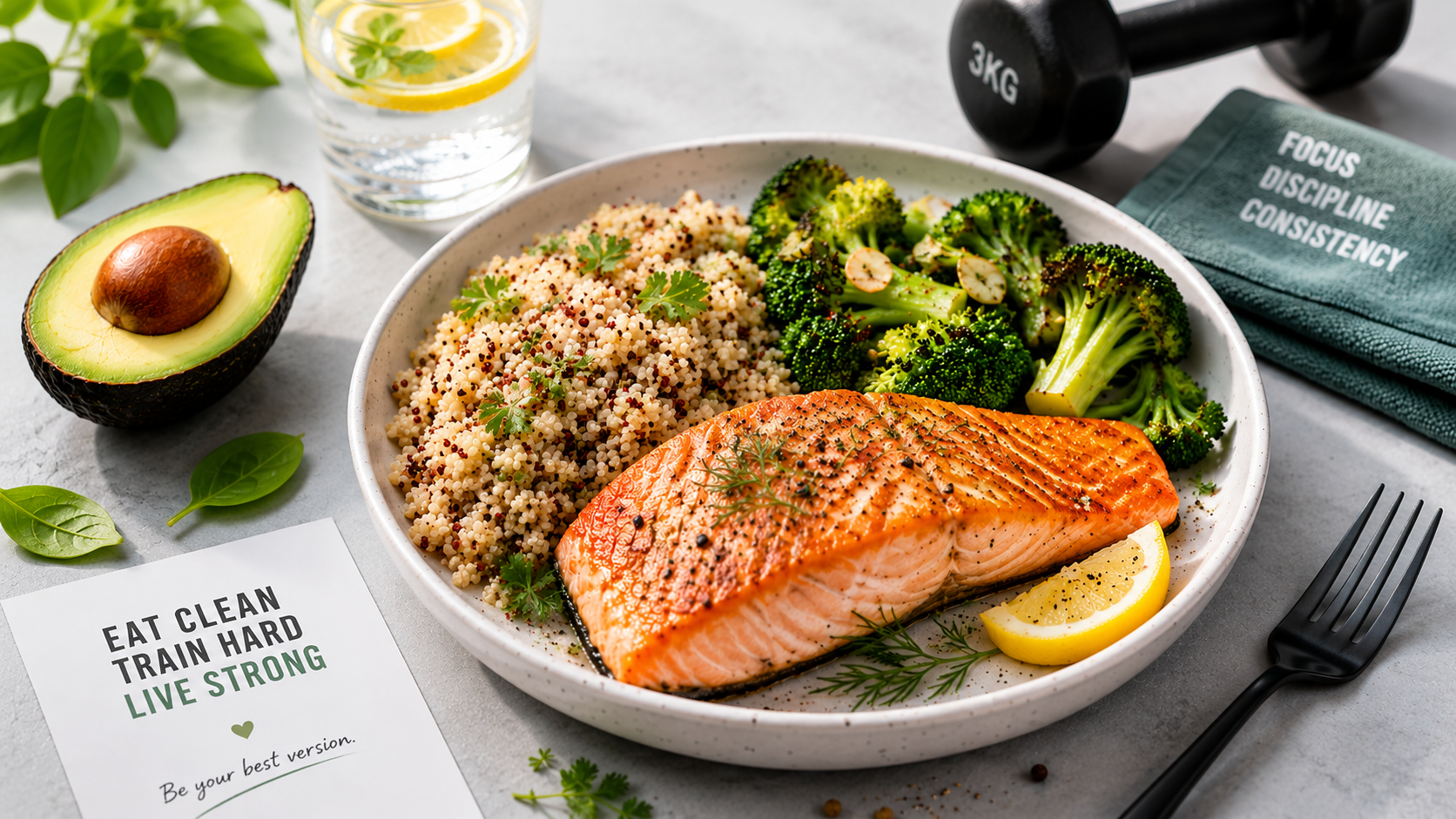
- Quality Protein in Every Meal: Consume a palm-sized portion of protein (such as chicken breast, beef tenderloin, salmon, tofu, or egg whites) with every meal.
- Smart Carbs Timing: Prioritize complex carbs for breakfast and post-workout meals. Carbs consumed around your workout window are directly used for energy and recovery, making them least likely to be stored as fat.
- Limit Fats to "One Teaspoon": Use about one teaspoon of olive oil or coconut oil for cooking. Alternatively, swap cooking oil for 1/4 of an avocado or a small handful of nuts (approx. 15g).
- Fill Up on Veggies: Leafy greens (like spinach, kale, and broccoli) are incredibly low in calories and high in fiber. Fill your plate with them to battle hunger pangs effectively during your calorie deficit.
Nutrition is 70% of the equation, while training is 30%. When you stop starving yourself and start fueling your body with scientific macro-matching, your body becomes a highly efficient fat-burning machine. Stay consistent, watch your body fat drop, and those abs will naturally reveal themselves in the mirror.